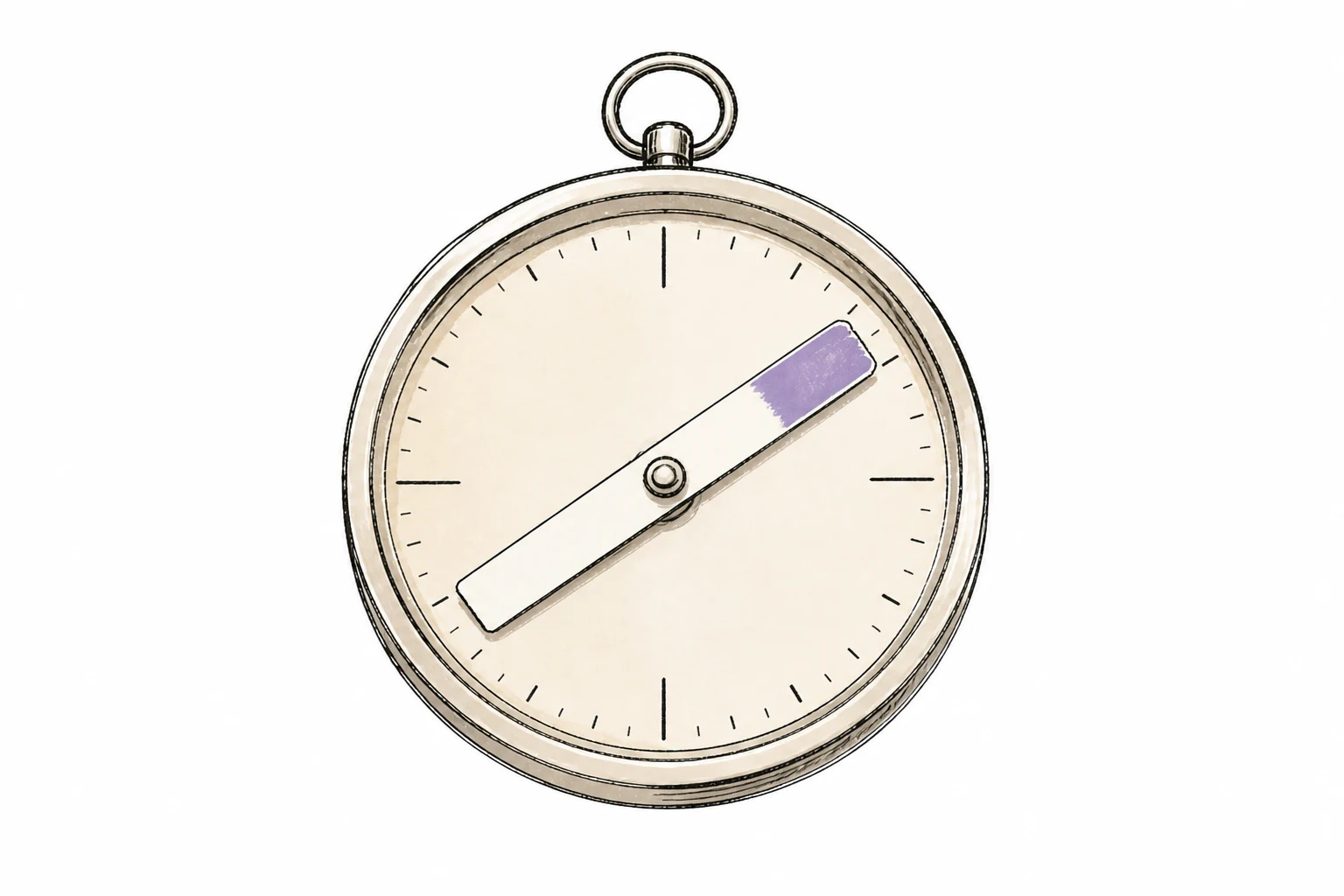
Fragrance discovery is finding scents that fit your taste, skin, habits, and context, not the crowd’s. Bestseller charts measure popularity honestly, but popularity is an answer to a question you didn’t ask. Profile your taste, shortlist by your signals, and sample before you spend.Scenday’s compass: taste, skin, habits and context beat the bestseller chart.
Card 03 · one of 11 in the guides catalogue
What fragrance discovery is
Fragrance discovery is the process of exploring the scent world guided by your own signals (the notes you return to, the way scents wear on your skin, the life you actually live) rather than by whatever is trending. The word matters: discovery, not shopping. Shopping starts from what stores want to sell you; discovery starts from who you are, and works outward toward bottles you could not have named in advance.
Done well, discovery has a direction. It moves from broad (trying families to learn your territory) toward narrow: recognising the specific notes and moods that make a scent feel like yours. That narrowing is exactly how a signature scent eventually forms.
The bestseller trap
Every fragrance site greets you the same way: a Top 10. And nearly everyone’s first bottles come from one, followed quietly by disappointment. Not because the chart lied, but because of what it measures. A bestseller list is a census of other people’s purchases, taken mostly among people who smell nothing like you, wear fragrance nowhere you wear it, and bought, as you are about to, off the same list. The chart is a mirror of marketing budgets and crowd taste. It contains no information about your skin.
Watch what happens to the same five fragrances when a profile enters the room:
Same catalogue. Different question.
The broadsheet: five famous bottles sized by popularity. The crowd’s typography: everyone reads the same page, set the same way.
Your edition: four signals reset the type. Size now means fit for one profile, and the world’s bestseller is a footnote on it.
The four signals that predict fit
If popularity predicts nothing, what does? Four signals, and you already carry all of them:
The notes and families you keep choosing: warmth, woods, citrus, musk. Taste is the needle of the compass; everything else calibrates it.
Your skin chemistry decides how a fragrance opens, lasts, and settles. The same bottle is a different perfume on different people.
Sprayed daily or saved for occasions? Reapplied at noon or worn to fade? Habits decide whether longevity and strength matter, or don’t.
Office desks, evening rooms, hot climates, close quarters: context sets the loudness budget a scent has to live within.
Four signals you already carry.
The dial: taste, skin, habits, context: the four points you already carry. No chart on this instrument.
The lock: skin, habits, and context calibrate the rim; taste takes the needle. Every colour on this dial is yours.
Sample first, buy second
Signals shortlist; skin decides. The bridge between them is the sample: a few millilitres that let a fragrance audition on your skin for days before a full bottle asks for real money. Discovery sets and decants make this cheap; the blind buy is the expensive alternative that fills drawers with regret. The loop looks like this:
Signals shortlist; skin decides.
The lap: profile, shortlist, sample, wear-test, decide. Nothing on this circuit costs a full bottle.
The return: the verdict flies home and the loop inks solid. Lap two starts sharper than lap one.
Where Scenday fits
Scenday is this loop, built as a product: a scent profile mapped from your four signals, recommendations drawn from composition rather than sales rank, and a sample-first path before any bottle asks for your money. Recommendations are never for sale; the methodology shows exactly how scores are sealed before commerce enters the room. Public access is launching soon; the profile quiz is open now.
The scent profile quiz is in development: it will map your four signals into a profile, the compass this lesson is about. Get early access and we will tell you the day it opens.
What the quiz will do →Questions people ask
What is fragrance discovery?
Fragrance discovery (also called scent discovery) is the process of finding scents that fit your taste, skin, habits, and context: exploring the fragrance world guided by your own signals rather than by popularity charts.
Are bestseller lists a good way to choose a perfume?
They are a fine measure of popularity but a poor measure of fit. A chart ranks the crowd’s taste; it knows nothing about your skin, your context, or the notes you actually return to.
What is a discovery set?
A discovery set is a curated box of small samples (usually 5 to 10 vials from one brand or theme) that lets you wear-test several fragrances on skin before committing to a full bottle.
Is blind buying ever okay?
Occasionally: when the bottle is cheap, the return policy is generous, or you know the perfumer’s style well. As a habit, blind buying is how regret collections are built; samples cost less than mistakes.
Sources & further reading
- Fragrances of the World: the family taxonomy behind composition-based matching
- The Perfume Society: sampling, discovery sets, and fragrance education
- Fragrantica: the community encyclopedia of notes and compositions
- Keller and colleagues, Nature: a single odour receptor gene variant changes whether the same molecule smells pleasant or foul
How this lesson was made
- Written and edited by the Scenday Editorial Desk.
- Founder-reviewed on .
- 4 primary sources cited (see Sources & further reading above).
- Changes to this lesson are recorded in our Corrections & updates log.